Compare Local Contractors for Residential Landscape Projects
Compare local contractors to define project scope, verify experience, and set clear expectations for your residential landscape improvements.
Residential landscape services encompass a wide range of work aimed at enhancing outdoor spaces. This typically includes designing and installing features such as lawns, gardens, pathways, patios, and retaining walls. Maintenance tasks like pruning, fertilizing, and seasonal cleanup are also common, along with irrigation system installation and landscape lighting. Understanding the scope of work involved helps property owners plan effectively and ensures that the completed project aligns with their outdoor living goals.
Clearly defining the scope of landscape work is essential for setting expectations and avoiding misunderstandings. A detailed outline of tasks, materials, and desired outcomes provides a clear framework for both property owners and service providers. When scope is well-defined, it becomes easier to compare proposals, verify that contractors understand the project requirements, and ensure that all parties are aligned on the work to be performed. This clarity helps prevent scope creep and supports a smoother project execution.
Property owners can compare local contractors by evaluating their experience with similar projects, reviewing their portfolios or references, and understanding their approach to work. It’s beneficial to ask service providers for detailed descriptions of their process and to clarify what is included in their scope of work. Additionally, verifying their reputation through local reviews or recommendations can provide insight into their reliability and quality of work. Making sure that scope, expectations, and responsibilities are documented in writing helps create a transparent foundation for the project and supports successful outcomes.
Compare local contractors by outlining project priorities, verifying experience, and clearly defining scope and expectations.
- Compare Contractor Experience - Review the backgrounds and project portfolios of local contractors to assess their expertise.
- Define Project Scope Clearly - Establish detailed descriptions of the work to ensure all parties agree on expectations.
- Verify Credentials and References - Check references and previous work to confirm the reliability of service providers.
- Document Agreements in Writing - Keep all project details, scope, and expectations documented to prevent misunderstandings.
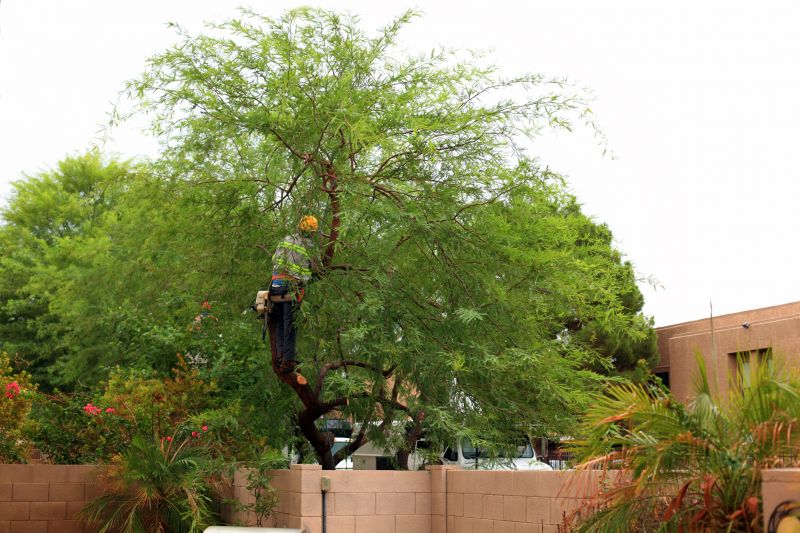
Clearly describe your project scope to compare local contractors effectively and ensure all expectations are documented.
- Verify experience and references of local contractors to ensure they have relevant expertise in residential landscape services. - Check for clear communication about the scope of work and specific services included in the project.
- Compare multiple service providers to assess their capabilities, reputation, and quality of previous work in residential landscaping. - Ensure that all project details and expectations are documented in a written agreement before work begins.
- Assess the contractor’s understanding of your landscape design preferences and their ability to execute your vision effectively. - Confirm that the contractor has proper insurance coverage to protect against potential liabilities during the project.
- Review the contractor’s portfolio or request examples of completed residential landscape projects similar to your needs. - Clarify the process for handling changes or unforeseen issues that may arise during the project.
- Ensure the scope of work, materials, and responsibilities are clearly outlined in a detailed contract or scope of work document.
Compare local contractors, clarify your project scope, verify experience, and set clear expectations in writing.


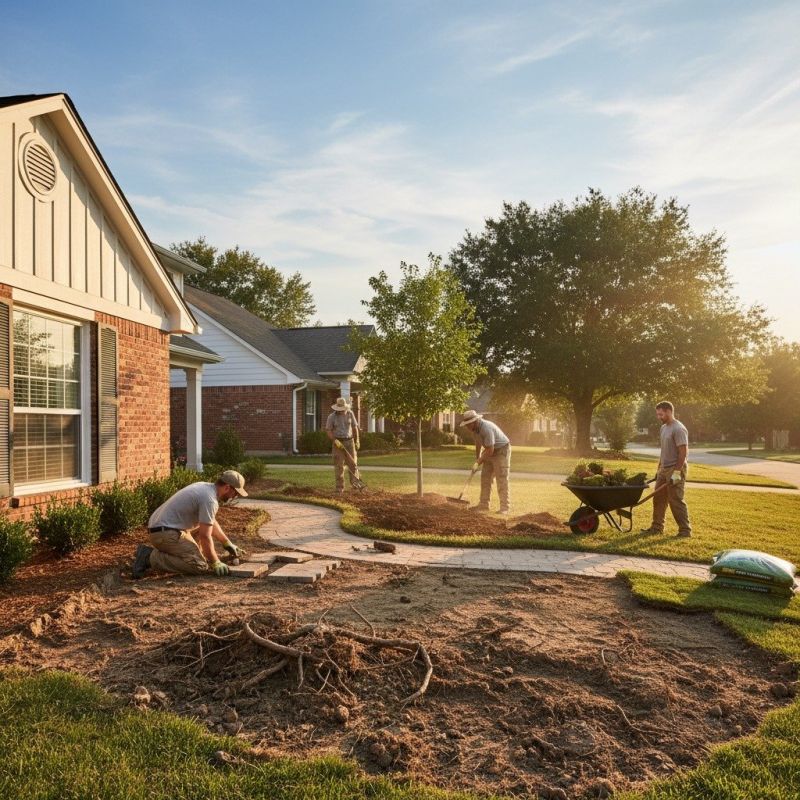

Use clear scope definitions and experience verification to compare local contractors effectively without relying on prices.
- Define the scope of landscape services needed, including specific tasks and desired features. Clearly outline the types of work, such as planting, lawn care, or hardscape installation, to guide contractor selection.
- Verify the experience and expertise of local contractors in residential landscape projects similar in scope and style. Seek details about previous work to ensure familiarity with the project requirements.
- Establish expectations in writing, including project details, deliverables, and responsibilities of each party. Ensure all aspects of the work are documented to prevent misunderstandings.
- Compare multiple service providers based on their scope of work, experience, and reputation within the community. Use consistent criteria to evaluate which local contractors align with project needs.
- Request detailed proposals that specify the scope of work and materials to facilitate accurate comparison and decision-making. Obtain written descriptions to assess the comprehensiveness of each contractor’s approach.
When comparing contractors for residential landscape services, it is essential to evaluate their experience with similar projects. Homeowners should inquire about the types of landscapes they have worked on and the scope of their previous work. A contractor with a proven track record handling projects comparable in size, style, and complexity can provide a better indication of their ability to meet specific needs. Understanding their familiarity with the local climate, soil conditions, and common landscaping challenges can also help determine if they have relevant expertise for the area.
A clear, written scope of work is a vital component in selecting a landscape service provider. Homeowners should seek contractors who can articulate the project details in writing, outlining specific tasks, materials, and deliverables. This documentation helps establish mutual understanding and sets expectations for what the project will entail. A well-defined scope reduces the potential for misunderstandings and provides a reference point throughout the project, ensuring that both parties are aligned on the work to be performed.
Verification basics are important when evaluating potential service providers. Homeowners should verify that contractors have appropriate insurance coverage, understand their disciplinary history, and have references or examples of completed projects. While licensing and certification are not the focus here, ensuring that a contractor maintains proper insurance and can provide proof of past work can help confirm their professionalism and reliability. Gathering this information can also assist in assessing the consistency and quality of the contractor’s services.
When comparing options, homeowners should focus on the contractor’s experience, the clarity of their written scope, and verification of their credentials and past work. It is beneficial to ask detailed questions about their previous projects, request a written scope of work, and verify their background through references or proof of completed projects. By emphasizing these aspects, homeowners can make informed decisions based on the contractor’s expertise, professionalism, and ability to deliver a project that aligns with their expectations, all without considering pricing or timelines.
Ask contractors to provide written scope details to ensure clarity and consistency throughout the project.
- Experience and Portfolio - What types of residential landscape projects have the contractors completed recently?
- Scope and Services - How do the contractors define and document the scope of work for landscape projects?
- Comparison of Offerings - What specific services and design options do different local contractors provide?
- Communication and Clarification - How do contractors clarify project expectations and deliverables in writing?
- Qualifications and References - Can the contractors provide references or examples that verify their experience with similar residential landscapes?
How can I compare different contractors for residential landscape services? It's helpful to review their experience, scope of work, and references to ensure they meet project needs and expectations.
What should I consider when defining the scope of my landscape project? Clearly outlining desired features, materials, and overall design helps contractors understand the work and provide accurate information.
How can I verify a contractor’s experience in residential landscaping? Ask for details about their past projects, specialties, and any relevant work history to assess their expertise and suitability.
Why is it important to have the scope of work in writing? Having a detailed written scope helps prevent misunderstandings and sets clear expectations for the project.
What questions should I ask potential contractors during the comparison process? Inquire about their previous work, approach to projects, and how they handle project-specific details to gauge compatibility.
How can I ensure the contractor understands my vision and requirements? Communicate your ideas clearly and confirm that the scope and expectations are documented in writing before work begins.
By exploring the options available through local contractors, visitors can gain a clearer understanding of the services, experience levels, and scope of work that best align with their residential landscape needs. Comparing different service providers allows for a more informed decision-making process, ensuring expectations are set and communicated effectively in writing. Utilizing the quote form provides a straightforward way to connect with qualified service providers in the area and evaluate which options may be suitable for the project at hand.
Taking advantage of the comparison tool helps homeowners identify local contractors capable of handling various landscape projects with clarity and confidence. By defining the scope of work and verifying each contractor’s experience, visitors can make well-informed choices tailored to their specific landscape goals. Filling out the quote form is a practical step toward connecting with experienced service providers who can meet the unique requirements of residential landscape projects.